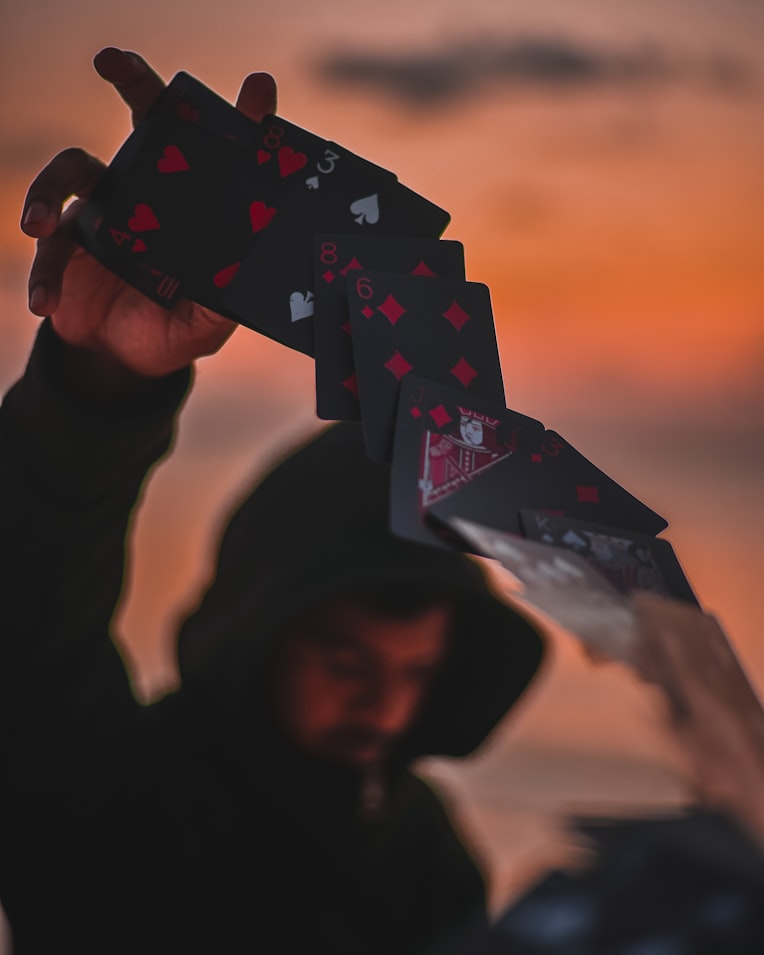
- Complex textures and light with sunspin offer unique photographic opportunities
- Understanding the Principles of Reflected Light
- Essential Equipment for Creating Reflected Light Effects
- Achieving the Swirling Effect: Practical Techniques
- Applications in Different Photographic Genres
- Tips for Specific Genres
- Troubleshooting Common Issues
- Beyond the Basics: Creative Explorations
Complex textures and light with sunspin offer unique photographic opportunities
sunspin. The interplay of light and texture is a fundamental element in captivating photography, and increasingly, artists and enthusiasts are exploring unconventional techniques to achieve unique visual effects. One such technique, gaining significant traction within photographic communities, is the manipulation of light with reflective surfaces to create what is often referred to as a
The appeal of this aesthetic lies in its ability to infuse photographs with a sense of movement and depth. It transforms static scenes into dynamic compositions, drawing the viewer's eye and creating a focal point that is both visually stimulating and emotionally evocative. The technique can be adapted for diverse photographic genres, from portraiture and landscape photography to still life and abstract art, offering a versatile tool for creative expression. It requires a degree of experimentation and a sensitivity to the nuances of light, making it a rewarding pursuit for photographers eager to push the boundaries of their artistry.
Understanding the Principles of Reflected Light
At its core, the creation of this effect is rooted in the behavior of light and how it interacts with reflective surfaces. Instead of directly illuminating the subject, photographers employ mirrored or highly polished objects – often acrylic sheets, specialized prisms, or even bodies of water – to bounce and redirect light beams. This process isn't simply about adding more light; it's about altering its direction, intensity, and ultimately, its character. The angles at which light strikes these surfaces, and subsequently is reflected, are crucial in determining the pattern and form of the resulting effect. A slight shift in angle can drastically change the entire appearance, demanding precision and a keen eye for detail from the photographer. Furthermore, the quality of the reflective surface is paramount; imperfections or distortions can muddy the effect, introducing unwanted artifacts into the image.
The success of this technique relies heavily on understanding the properties of light itself. The color temperature, intensity, and diffusion all play significant roles. Warm, golden-hour light often produces a particularly striking effect, enhancing the swirling patterns with rich hues and a sense of warmth. Conversely, cooler, more diffuse light can create a more subtle, ethereal atmosphere. Controlling these variables is not merely technical; it’s inherently artistic, requiring the photographer to develop an intuitive sense of how light will behave in response to specific surface manipulations. This understanding is what separates a haphazard attempt from a truly captivating image.
Essential Equipment for Creating Reflected Light Effects
While the concept behind creating these effects is relatively simple, the execution often requires specialized equipment. A solid tripod is essential for maintaining stability during longer exposures, particularly when working in low-light conditions. A variety of reflective surfaces are also key; mirrored acrylic sheets in different shapes and sizes are popular choices, as are prisms specifically designed for light manipulation. Polarizing filters can be incredibly valuable for controlling glare and enhancing contrast in the reflected light. Remote shutter releases are also highly recommended, minimizing camera shake and ensuring sharpness. Investing in quality equipment doesn't guarantee stunning results, but it provides the tools necessary to precisely control the key elements involved.
Beyond the core photographic equipment, other accessories can further enhance the creative possibilities. Colored gels can be used to tint the reflected light, adding vibrant hues and creating a more dramatic mood. Diffusers can soften the light, reducing harsh shadows and creating a more pleasing overall effect. And experimenting with different textures on the reflective surfaces – frosted acrylic, metallic finishes, or even textured glass – can introduce unique visual elements into the final image. The possibilities are truly endless, limited only by the photographer's imagination and willingness to explore.
| Equipment | Purpose |
|---|---|
| Tripod | Provides stability for long exposures. |
| Mirrored Acrylic | Reflects and redirects light. |
| Polarizing Filter | Controls glare and enhances contrast. |
| Remote Shutter Release | Minimizes camera shake. |
Using a table to organize the necessary equipment provides a quick reference for photographers eager to attempt reflection-based compositions. Careful consideration of each element's function will enhance the creative process.
Achieving the Swirling Effect: Practical Techniques
The swirling patterns associated with these techniques aren’t accidental; they are the result of deliberate manipulation of light and reflective surfaces. The key is to create a dynamic interplay between the light source, the reflective surface, and the subject. Slowly rotating or moving the reflective surface during a long exposure is a common method for achieving the desired effect. Experimentation with the speed and direction of the rotation is crucial – too fast, and the swirling patterns will become blurred and indistinct; too slow, and the effect will be barely noticeable. It’s also important to consider the distance between the reflective surface and the subject. Closer proximity will create more pronounced and dramatic swirls, while greater distance will result in a more subtle and diffused effect.
Another important consideration is the positioning of the light source. Backlighting, where the light source is positioned behind the subject, often produces the most striking effects, highlighting the swirling patterns and creating a sense of depth. Sidelighting can also be effective, but it requires more careful positioning of the reflective surface to ensure that the light is directed onto the subject in a way that creates the desired effect. Furthermore, it’s beneficial to experiment with different light modifiers, such as softboxes or umbrellas, to control the quality of the light and minimize harsh shadows. This approach allows for greater control over the final aesthetic and ensures that the swirling patterns are rendered with clarity and precision.
- Experiment with different reflective materials (mirrors, acrylic, water).
- Adjust the angle of incidence for varying light paths.
- Control exposure time to capture motion blur effectively.
- Utilize polarizing filters to manage glare and contrast.
- Consider the position of the light source relative to the subject.
- Practice smooth, controlled movements of the reflective surface.
This list provides a basic framework for experimentation. Mastering the art of manipulating light and reflections requires persistent practice and a willingness to embrace creative exploration.
Applications in Different Photographic Genres
While often associated with fine art photography, this technique lends itself surprisingly well to a variety of genres. In portraiture, it can add a dramatic and ethereal quality to the image, creating a sense of mystery and intrigue. By carefully positioning the reflective surface, the photographer can highlight the subject’s features, emphasize their expression, and create a truly captivating portrait. In landscape photography, it can be used to enhance the natural beauty of a scene, adding depth and dimension to the image. Reflecting sunlight off a body of water or using a mirrored surface to create a sense of symmetry can transform an ordinary landscape into a breathtaking vista. The versatility of the technique allows for nearly limitless creative possibilities.
The application of this technique extends beyond portraits and landscapes. Still life photography can benefit from the enhanced textures and dynamic lighting it provides, bringing inanimate objects to life. Even in abstract photography, the swirling patterns and ethereal effects can be used to create visually stunning and thought-provoking images. The key is to approach each genre with a fresh perspective, considering how the technique can be used to enhance the unique qualities of the subject matter. It’s a powerful tool for adding a layer of artistic expression to any photographic project.
Tips for Specific Genres
For portraiture, focus on creating soft, diffused reflections that highlight the subject's face. In landscapes, utilize natural reflectors like water or snow to amplify the effect. For still life, experiment with different angles and textures to create compelling compositions. When working in abstract photography, embrace bold colors and dramatic lighting to achieve a unique and impactful result. Remember, the goal is to enhance the subject, not to overshadow it. Subtlety and balance are crucial for creating images that are both visually striking and aesthetically pleasing. Don’t be afraid to experiment and develop your own unique style within each genre.
Consider the message you want to convey with your photograph and adjust the technique accordingly. A soft, diffused reflection might be perfect for creating a romantic and intimate portrait, while a bold, dramatic swirl might be more appropriate for an abstract image that explores themes of energy and movement. The possibilities are endless, and the most important thing is to trust your artistic intuition and let your creativity guide you.
- Plan your shot carefully, considering the light source, reflective surface, and subject.
- Use a tripod to ensure stability during long exposures.
- Experiment with different angles and speeds of movement.
- Pay attention to the quality of light and use modifiers as needed.
- Post-process your images to enhance the colors and contrast.
- Practice patience and persistence; mastering this technique takes time and effort.
Following these steps can greatly improve your results and help you unlock the full creative potential of this fascinating technique.
Troubleshooting Common Issues
Despite careful planning, challenges can arise when attempting to create these effects. A common issue is unwanted glare or reflections. Using a polarizing filter can significantly reduce glare, as can adjusting the angle of the reflective surface. Another challenge is achieving the desired level of sharpness. Ensuring that the camera is stable on a tripod and using a remote shutter release are essential steps to minimize camera shake. If the image appears blurry, experiment with shorter exposure times or a smaller aperture. Additionally, carefully controlling the intensity of the light source can help to prevent overexposure, which can also contribute to blurriness.
Another frequent problem is difficulty controlling the swirling patterns. If the patterns are too chaotic or indistinct, try slowing down the speed of the reflective surface’s movement. If the patterns are too subtle, try speeding it up or moving the surface closer to the subject. Experimentation is key—there's no single "correct" approach. Finally, monitor your histogram to ensure proper exposure. Adjusting the exposure compensation can help to prevent clipping in highlights or shadows, resulting in a more balanced and dynamic image. Careful observation and troubleshooting are essential for achieving consistently pleasing results.
Beyond the Basics: Creative Explorations
Once you’ve mastered the fundamentals of reflected light, the real fun begins: experimentation. Consider combining this technique with other photographic methods, such as long exposure photography or light painting, to create truly unique effects. For example, you could use a light source to "paint" patterns onto the reflective surface during a long exposure, adding another layer of complexity and visual interest to the image. Alternatively, you could experiment with different types of reflective surfaces – iridescent films, textured glass, or even crushed crystals – to create unconventional and unexpected results. Don’t limit yourself to traditional photographic subjects; explore the potential of using this technique with everyday objects, organic materials, or even abstract forms.
The current trend leans towards incorporating this aesthetic in commercial applications. Fashion editorials are increasingly utilizing it to create dynamic and avant-garde imagery, and its ethereal quality makes it suitable for advertising campaigns focusing on beauty and luxury products. The technique’s ability to add a sense of mystery and intrigue is also proving valuable in the realm of visual storytelling, enhancing the mood and atmosphere of narrative-driven photographs. The imaginative blend of practicality and artistic flair ensures that the visual manipulation using reflected light will continue to evolve creatively, becoming an increasingly sought-after aesthetic in the photographic world.