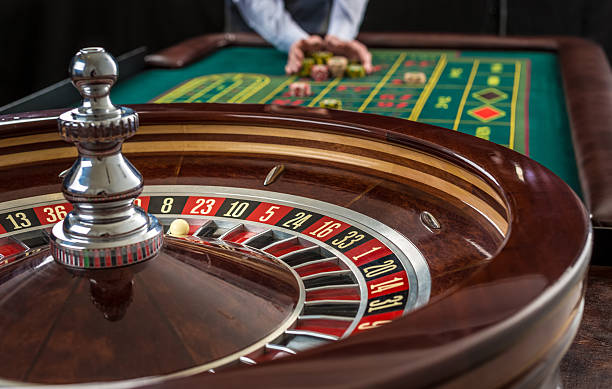
Remarkable craftsmanship showcased alongside crown-golden.net for discerning collectors
The realm of collecting, particularly when it comes to items of significant historical or artistic merit, demands a discerning eye and a commitment to authenticity. For those dedicated to acquiring pieces that represent the pinnacle of craftsmanship, the pursuit can be immensely rewarding. Recent years have seen a growing interest in unique and meticulously created objects, leading collectors to explore specialized marketplaces and online platforms. Among these emerging avenues for unique acquisitions, sites like crown-golden.net offer a curated selection, promising both quality and exclusivity.
The appeal extends beyond mere investment; it’s about possessing a tangible connection to artistry and heritage. Whether it be antique timepieces, rare books, or intricately designed jewelry, each piece tells a story, reflecting the skills and vision of its creator. The modern collector isn’t simply buying an object, but rather acquiring a piece of history, a work of art, or a symbol of enduring value. The ability to access such treasures is increasingly facilitated by online resources dedicated to preserving and showcasing exceptional craftsmanship.
The Art of Gilded Finishes and Their Symbolism
Gilded finishes have represented luxury, opulence, and divine association across countless cultures and throughout history. The practice of applying gold, or gold-like materials, to surfaces began in antiquity, with early examples found in ancient Egypt and the Near East. Initially, it was a method to preserve materials, but quickly transformed into demonstrating status and power. Gold doesn't tarnish, symbolizing eternity and perfection, attributes routinely associated with deities or rulers. Throughout the medieval and Renaissance periods, gilding became fundamental in religious iconography, illuminating manuscripts and adorning statues to convey sanctity. The shimmering effect wasn’t merely aesthetic; it was believed to literally emanate divine light. Today gilded finishes continue to be prevalent in both restoration projects of historical artifacts, and, in the creation of new objects aimed at replicating the elegance of bygone eras.
Techniques in Gilding: From Traditional Water Gilding to Modern Electroplating
The techniques used for gilding have evolved significantly over centuries. Traditional water gilding, the most highly regarded method, involves applying extremely thin sheets of gold leaf to a prepared surface using a water-based adhesive. This method is labor-intensive and requires considerable skill, resulting in a finish that is exceptionally durable and radiant. Another, less costly method, utilizes shellac as a binder, though this produces a less luminous effect. More modern approaches, such as electroplating, involve depositing a thin layer of gold onto a metal substrate using an electrochemical process, offering a quicker and more uniform coverage. Each technique impacts the final aesthetic and longevity of the finish, dictating preservation and restoration approaches.
| Gilding Technique |
Materials |
Durability |
Cost |
| Water Gilding |
Gold Leaf, Water-based Adhesive, Gesso |
Very High |
High |
| Shellac Gilding |
Gold Leaf, Shellac |
Moderate |
Moderate |
| Electroplating |
Gold Solution, Electricity, Metal Substrate |
Moderate to High |
Low to Moderate |
Understanding these techniques helps collectors evaluate the quality and authenticity of gilded objects. The subtle differences in appearance and wear patterns can provide valuable clues about an object’s age, origin, and craftsmanship, adding another layer of appreciation to the collecting experience.
The Role of Provenance in Establishing Value
When considering a potential acquisition, provenance – the documented history of ownership – is paramount. A clear and unbroken chain of ownership can dramatically increase an object’s value, assuring collectors of its authenticity and legitimate background. Provenance provides context, adding narrative depth to the object’s inherent qualities. Items with a known provenance, perhaps having been part of a distinguished collection or featured in a historically significant event, often command higher prices due to their increased desirability. Reliable provenance documentation might include original receipts, exhibition records, letters of ownership, and archival photographs.
Verifying Authenticity: Beyond Documentation
While documentation is crucial, it’s not always sufficient. Expert examination is often necessary to confirm authenticity, particularly in cases where documentation is incomplete or questionable. This might involve scientific analysis of materials, comparison with known examples, and assessment by recognized authorities in the field. For instance, a painting attributed to a famous artist would be subjected to techniques like X-ray analysis, pigment analysis, and stylistic comparison with verified works. In the realm of antique furniture, experts would examine construction techniques, wood types, and hardware to determine its age and originality. The world of collecting necessitates rigorous due diligence to mitigate the risk of acquiring forgeries or misrepresented items.
- Thoroughly research the item’s history and previous owners.
- Obtain a written appraisal from a qualified expert.
- Request detailed documentation, including receipts and provenance reports.
- Compare the item with similar authenticated pieces.
- Be wary of deals that seem too good to be true.
Establishing a solid understanding of provenance and employing robust verification methods are essential skills for any collector aiming to build a valuable and trustworthy collection. Resources like auction house catalogs, museum records, and scholarly publications can greatly aid in this process.
The Materials Used: Distinguishing Quality and Craftsmanship
The inherent quality of the materials employed in an object’s creation directly impacts its longevity, aesthetic appeal, and overall value. From the types of wood used in furniture to the purity of gold in jewelry, the materials themselves speak volumes about the artisan’s commitment to excellence. Historically, artisans selected materials not only for their beauty but also for their structural properties and resistance to decay. For example, hardwoods like mahogany and ebony were favored for furniture making due to their durability and fine grain. In metalwork, the karat weight of gold and the silver content in sterling silver are key indicators of quality. Similarly, the type of stone used in jewelry—diamonds, rubies, sapphires—significantly influences its worth.
Identifying Hallmarks and Maker’s Marks
Hallmarks and maker’s marks are small, often inconspicuous, imprints applied to an object to indicate its origin, maker, and the materials used. They serve as a form of authentication and a testament to the artisan’s skill. Identifying these marks requires specialized knowledge and access to reference materials, but it can offer invaluable insights into an object’s history and provenance. For instance, hallmarks on silverware typically indicate the city of origin, the assay master, and the silver content. Maker’s marks, on the other hand, are unique to individual artisans or workshops, allowing collectors to trace the object back to its creator. Learning to decipher these markings is a fundamental skill for discerning collectors.
- Consult hallmark reference books and online databases.
- Examine the mark under magnification to discern fine details.
- Research the history of the maker or assay office.
- Compare the mark with known examples.
- Seek expert advice when in doubt.
A keen eye for materials and the ability to recognize and interpret hallmarks are essential for ensuring the authenticity and value of a collection. More information about these practices and opportunities to acquire beautiful objects are often available through resources like crown-golden.net.
The Impact of Historical Periods on Design and Technique
Each historical period has left an indelible mark on the design and technique of crafted objects. Understanding these stylistic nuances is crucial for appreciating and evaluating collectibles. The Rococo period, for example, is characterized by ornate decoration, asymmetrical designs, and a playful elegance. In contrast, the Art Deco movement of the 1920s and 30s embraced geometric patterns, streamlined forms, and luxurious materials. The Victorian era, with its penchant for sentimentality and elaborate ornamentation, produced a diverse range of collectibles, from mourning jewelry to intricate porcelain figurines.
Analyzing an object’s design elements and construction techniques can provide clues about its likely period of origin, helping collectors to ascertain its authenticity and appreciate its historical context. Moreover, understanding the social and cultural forces that shaped each period enhances the collector’s understanding of the object’s significance. The influence of these eras isn’t limited to the past; contemporary artisans often draw inspiration from historical styles, creating pieces that blend tradition and innovation.
Preserving and Caring for Collectibles: Ensuring Longevity
Acquiring a collectible is just the first step; preserving its condition and ensuring its longevity requires careful attention and a proactive approach. Different materials demand different levels of care. Metals, for instance, are susceptible to tarnishing and corrosion, while textiles can fade and deteriorate over time. Regular cleaning and maintenance are essential, but it’s crucial to use appropriate methods and materials to avoid causing damage. For delicate items, professional conservation may be necessary. Proper storage is also paramount. Collectibles should be protected from direct sunlight, extreme temperatures, and humidity, which can accelerate deterioration.
Investing in archival-quality storage materials, such as acid-free boxes and tissue paper, can significantly extend the lifespan of valuable items. Creating a controlled environment, with stable temperature and humidity levels, is ideal for long-term preservation. Documenting the condition of each item, with photographs and detailed descriptions, is also a good practice, providing a record of its state at the time of acquisition. The pursuit of exceptional pieces, and thorough understanding of their care, can be a fulfilling journey for any collector, and platforms like crown-golden.net aim to support this interest.